Which cells die first?
Which cells die first?
The primary victim
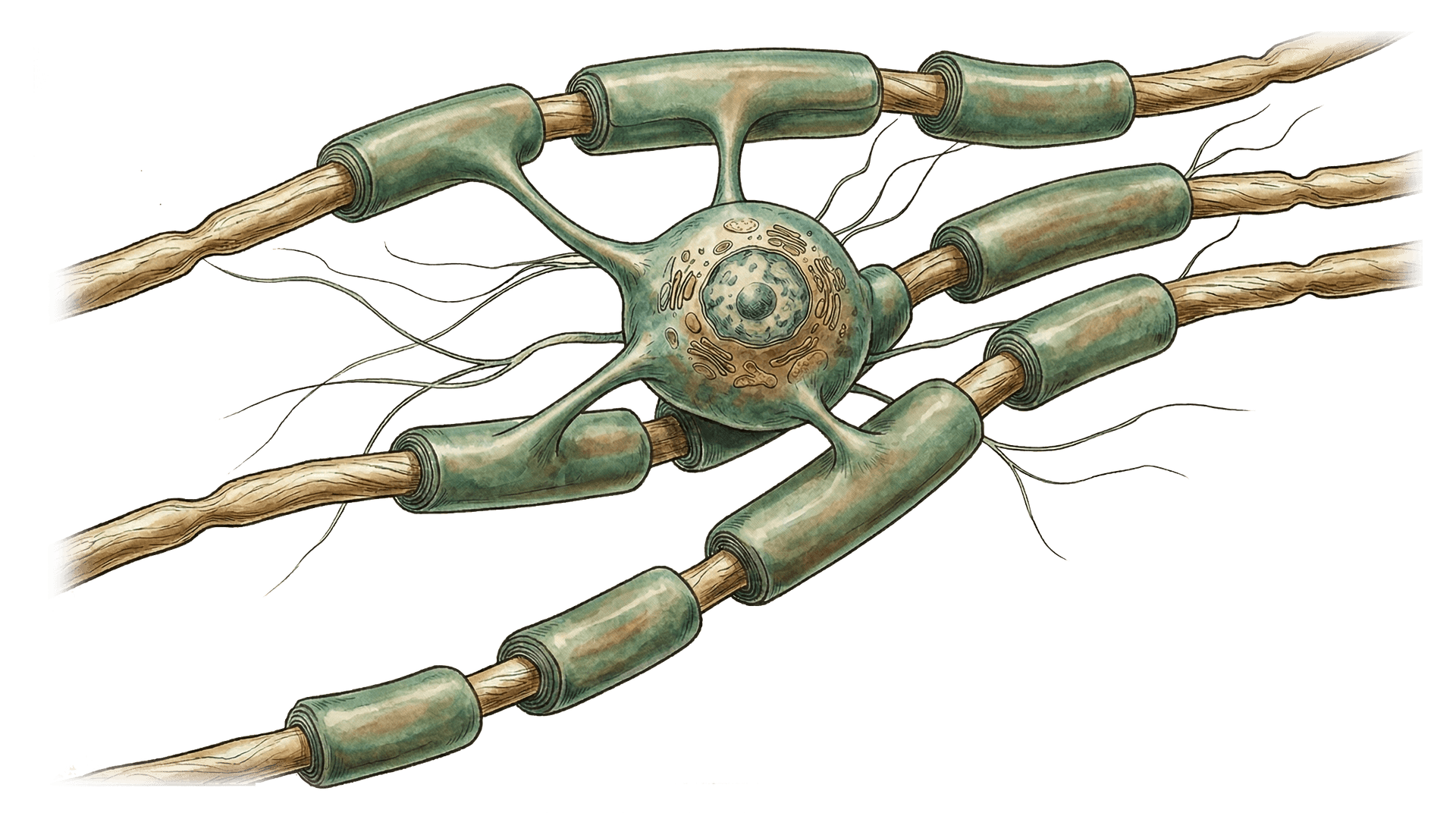
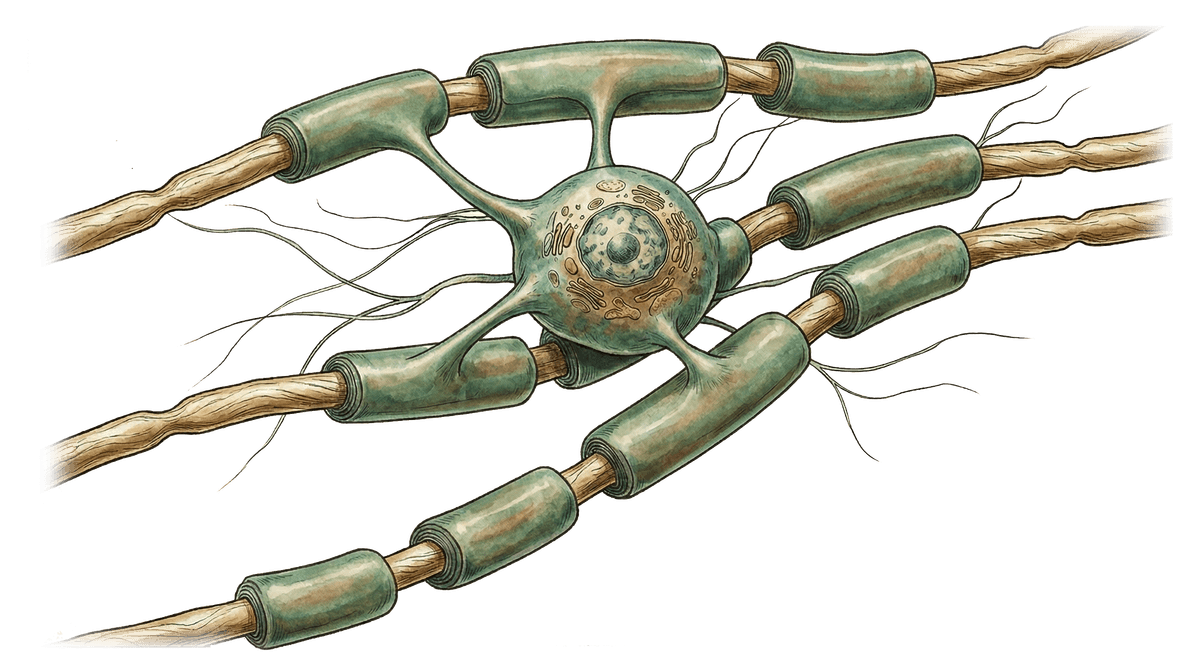
Oligodendrocytes
The most iron-rich cell in the brain, with the lowest antioxidant reserves. They need iron to build myelin sheaths. They also secrete FTH1 to buffer iron for neighboring cells. High iron, low glutathione, enormous metabolic demand.[1][2][3]
When they die: myelin loss exposes axons, stored iron floods the extracellular space, and the FTH1 buffer disappears. Neighboring cells inherit the iron. The lesion expands.[4]
The iron hubs
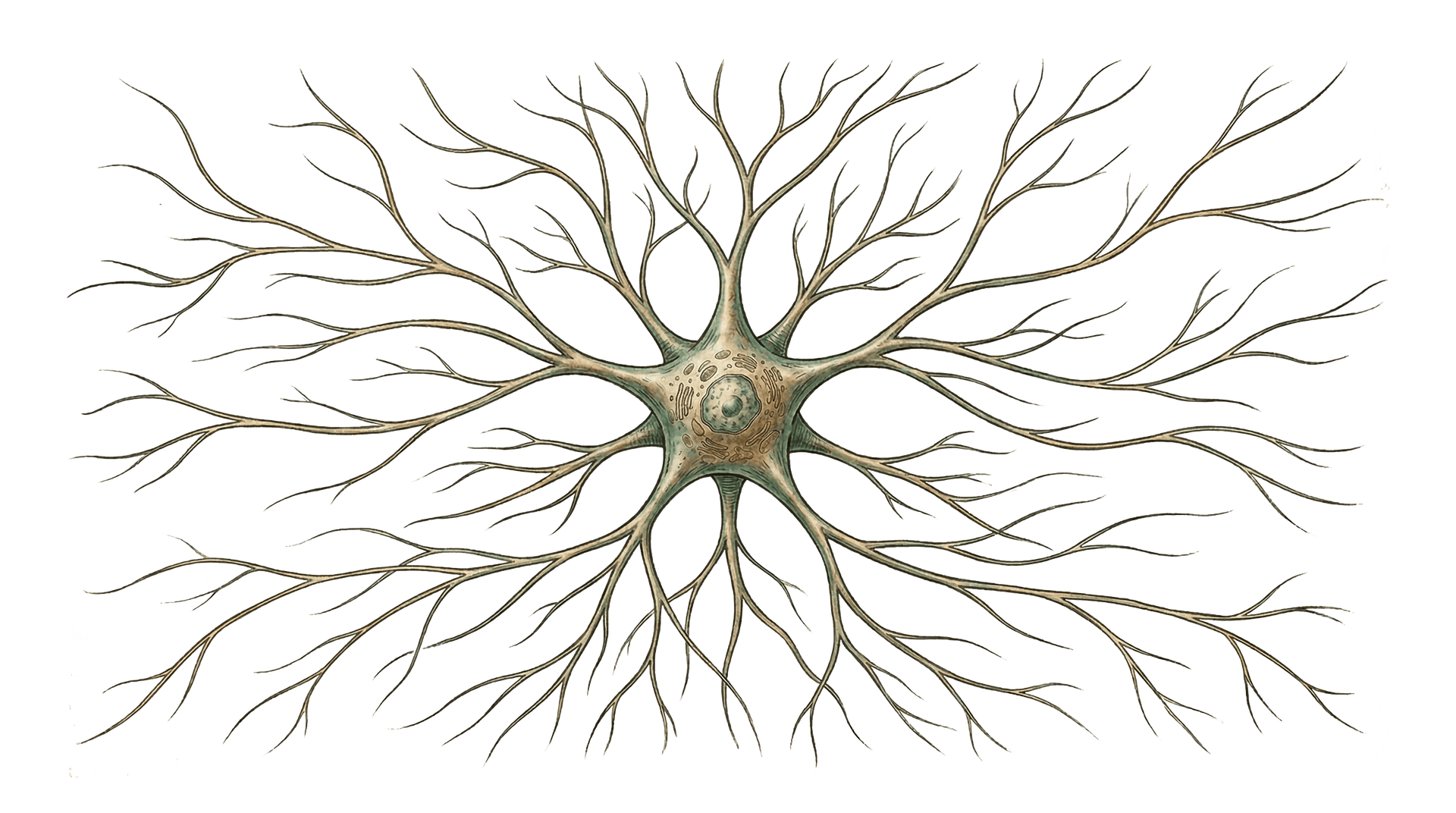
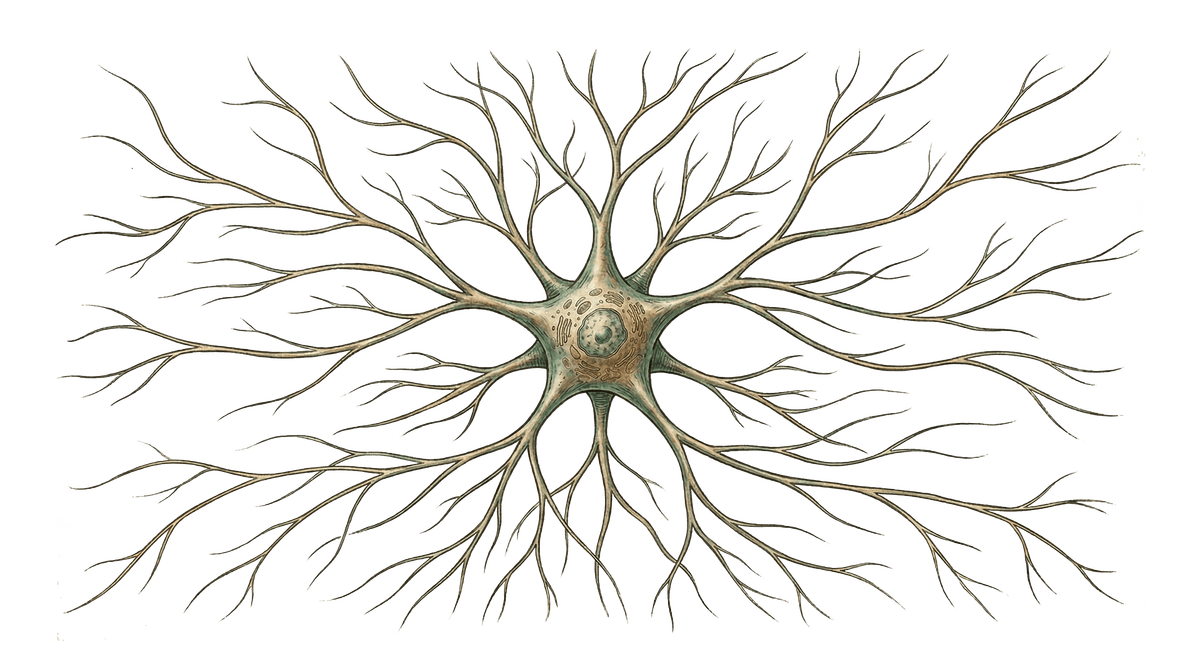
Astrocytes
Iron-loaded but ferritin-rich, so they are relatively resistant. They sit at the interface between blood vessels and neurons, controlling local hepcidin signaling and iron redistribution. The central node in the brain’s iron network.[1][5]
When overwhelmed, they release iron into the interstitial fluid. Every cell downstream gets an uncontrolled iron load. The hub becomes the source.[6]
The amplifiers
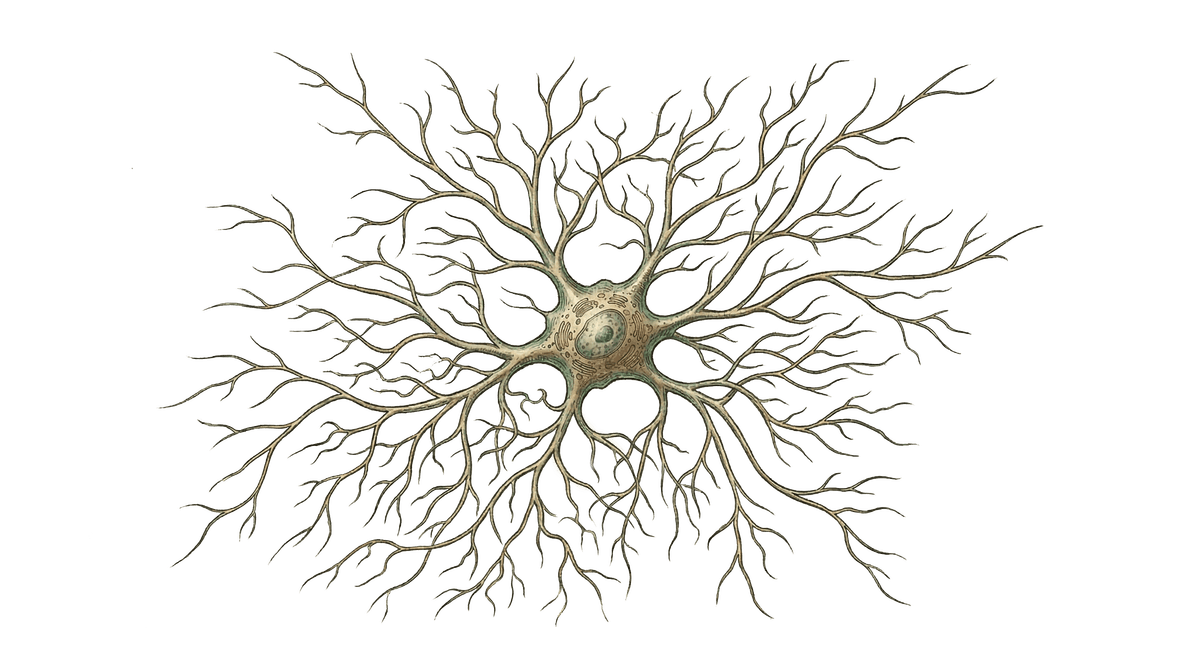
Microglia
Activated microglia sequester iron from dead cells and become pro-inflammatory. Iron drives M1 polarization. The debris-clearance response to ferroptotic oligodendrocytes actively suppresses OPC repair.[1][6]
Inflammation releases more iron, more iron drives more inflammation, and the immune response to damage blocks the repair process. In MS, iron-rim lesions expand at 2.2% per year.[7]
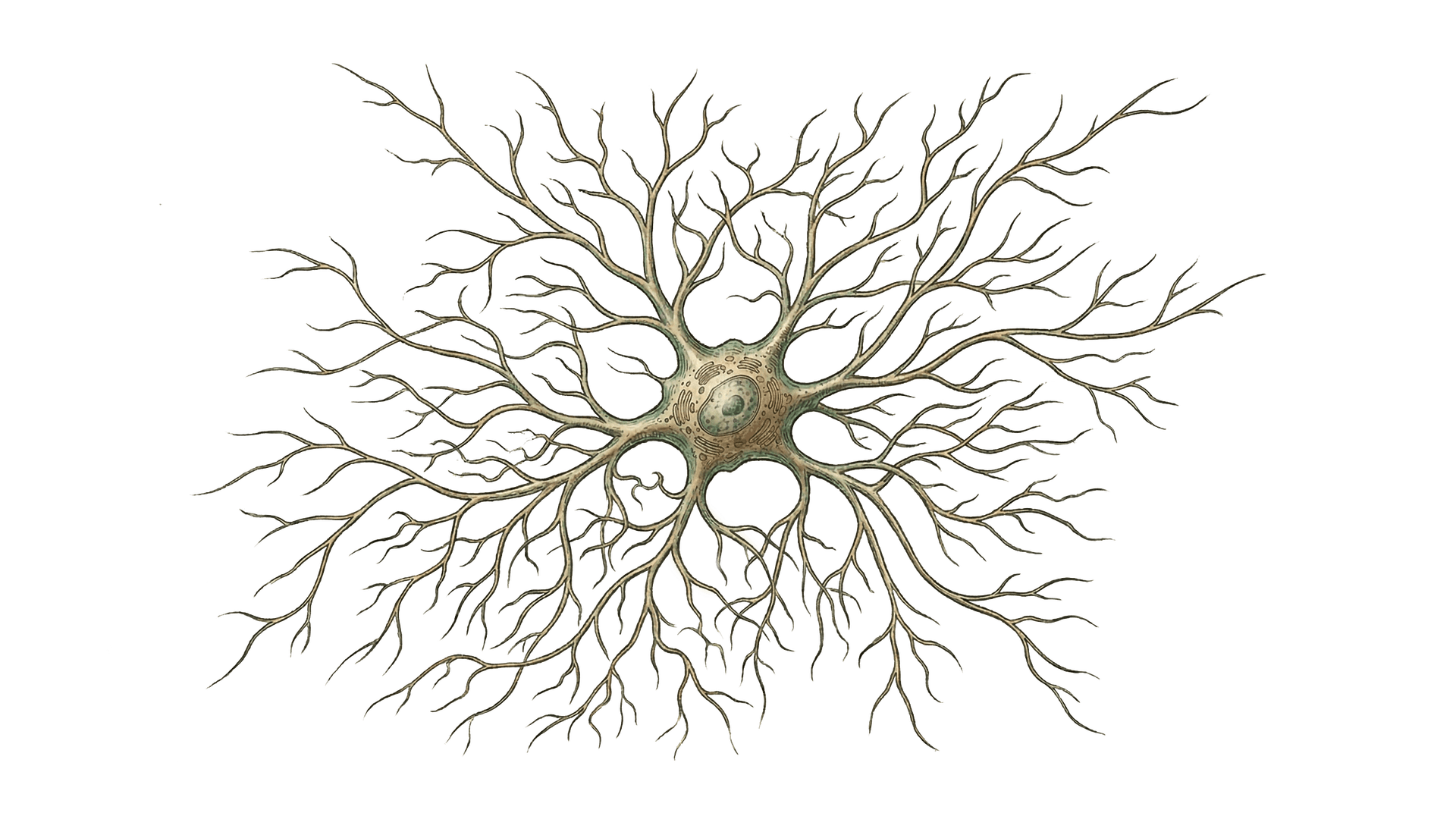
Every drug approach targets one protein in one cell type.
Ferroptosis crosses all of them.
Drug trials
Deferiprone failed by working.
72 drugs across six diseases. Deferiprone, the only iron chelator trialed in neurodegeneration, reduced brain iron exactly as designed. Patients got worse. The problem isn’t too much iron. It’s iron in the wrong places.
| Phase 1Ph 1 | Phase 2Ph 2 | Phase 3Ph 3 | ApprovedApprvd | |
|---|---|---|---|---|
| Alzheimer’sAD | ||||
| Parkinson’sPD | ||||
| ALSALS | ||||
| Huntington’sHD | ||||
| PSPPSP | ||||
| MSAMSA | ||||
| Multi-diseaseMulti |
Drug trials
Deferiprone failed by working.
72 drugs across six diseases. Deferiprone, the only iron chelator trialed in neurodegeneration, reduced brain iron exactly as designed. Patients got worse. The problem isn’t too much iron. It’s iron in the wrong places.
Deferiprone(PD)
WorsenedApoPharma
FAIRPARK-II: 372 patients, 36 weeks. Substantia nigra iron fell but MDS-UPDRS worsened (+15.6 vs +6.3 placebo). 22% needed rescue therapy vs 2.7% placebo. The chelator removed iron the brain still needs.[8]
Deferiprone(AD)
WorsenedVarious
3D trial: 81 patients, 12 months. Hippocampal iron fell but cognition worsened (Cohen’s d = −0.70 per-protocol). Chelation removes iron the brain needs for myelination and ferroxidase activity.[9]
Deferoxamine(AD)
SignalVarious
Tested under the aluminum hypothesis, not iron. 48 AD patients received IM injections twice daily for 24 months. Cognitive decline halved (p = 0.03), but the regimen was impractical and no one replicated it in 35 years.[10]
ATH434(MSA)
SignalAlterity
Redistributes iron rather than chelating it out. Slower brain atrophy, reduced basal ganglia iron, stable NfL. 43% stable and 30% improved on clinical scales.[11]
Lactoferrin(AD)
SignalAcademic
Pilot in AD patients showed enhanced cognitive function on MMSE and ADAS-COG 11. Crosses BBB via receptor-mediated transport. Available as a supplement for ~$15/month. No Phase 2 RCT funded.[12]
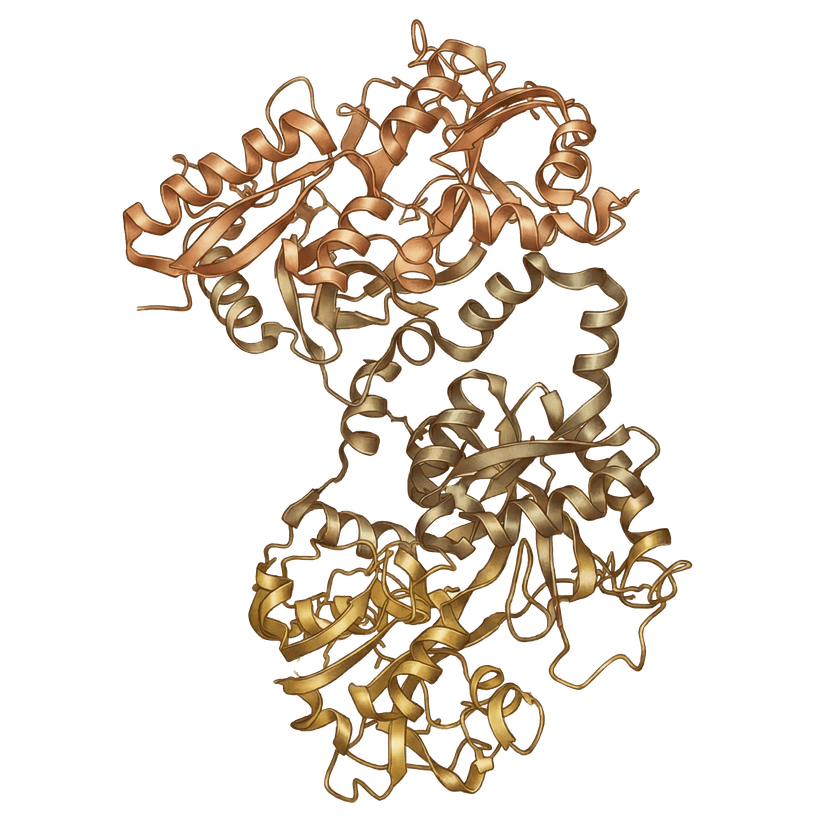
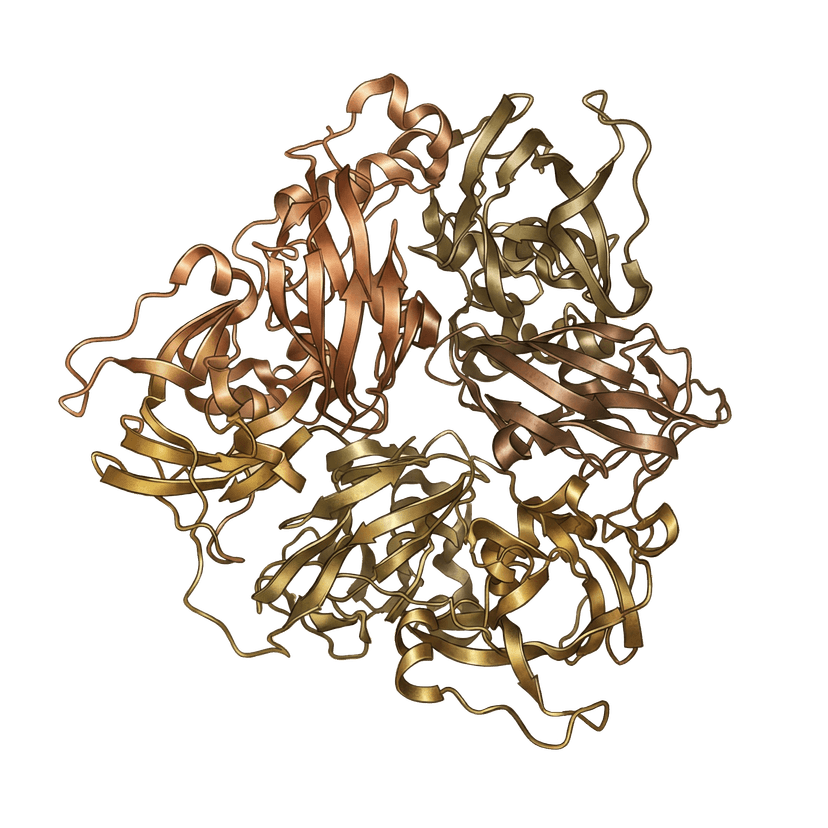
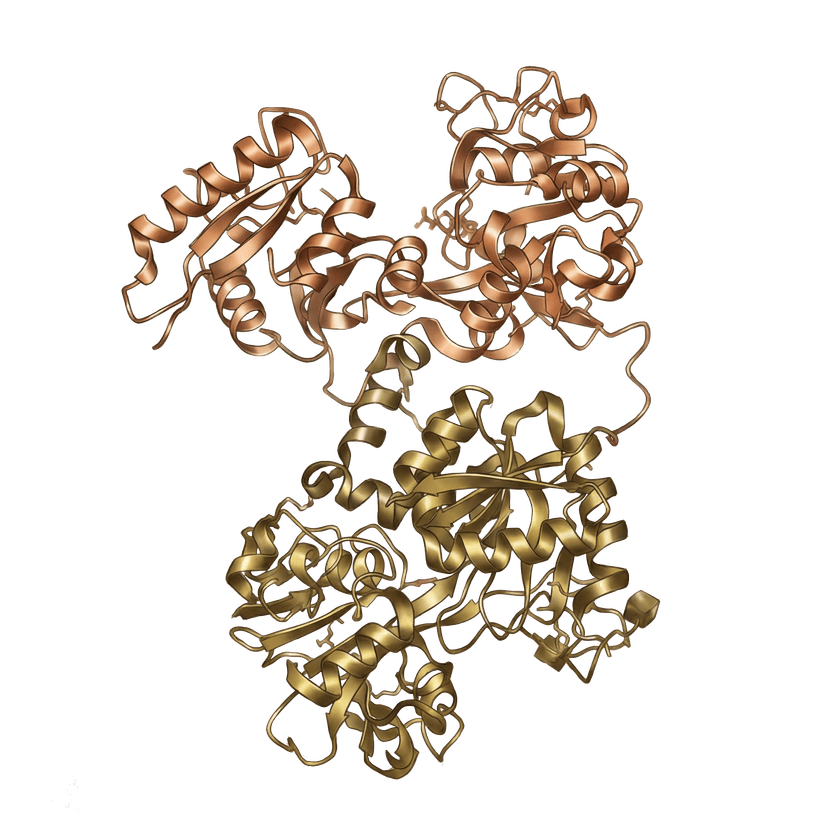
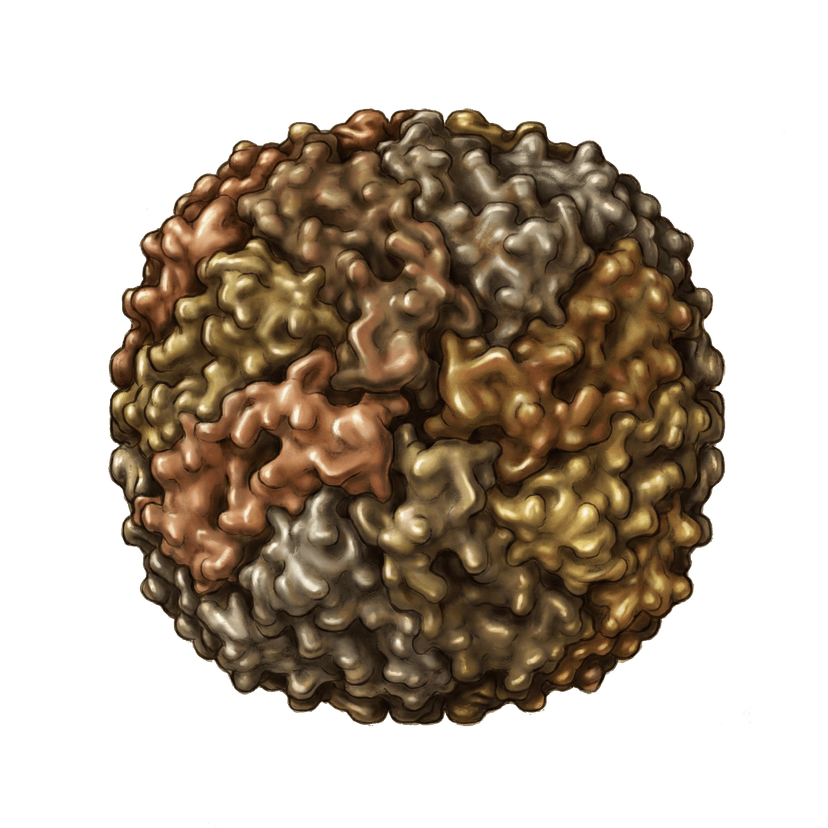
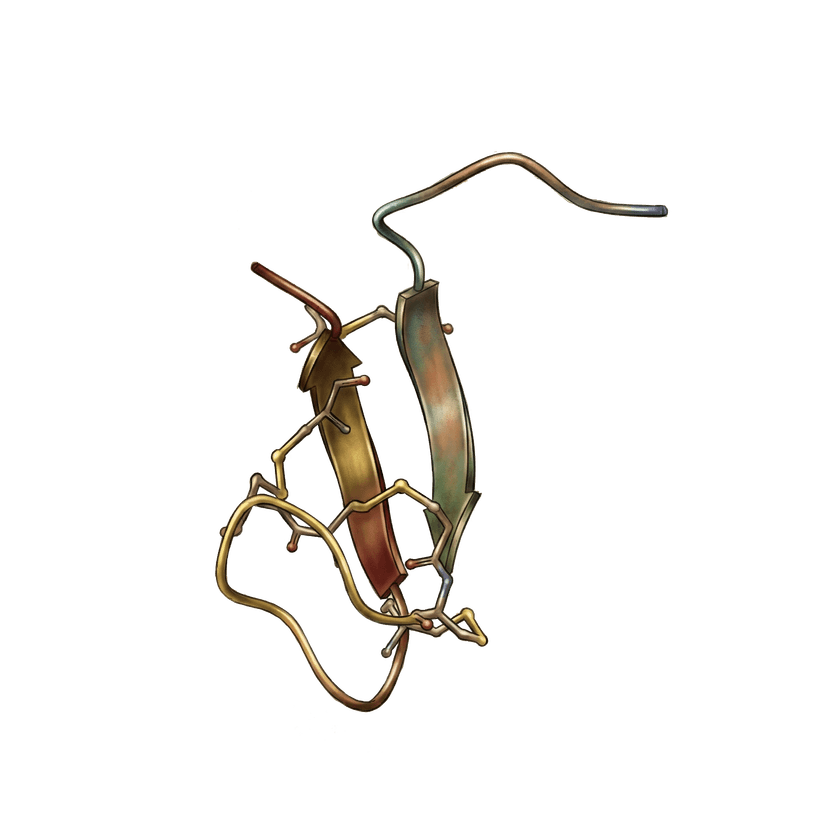
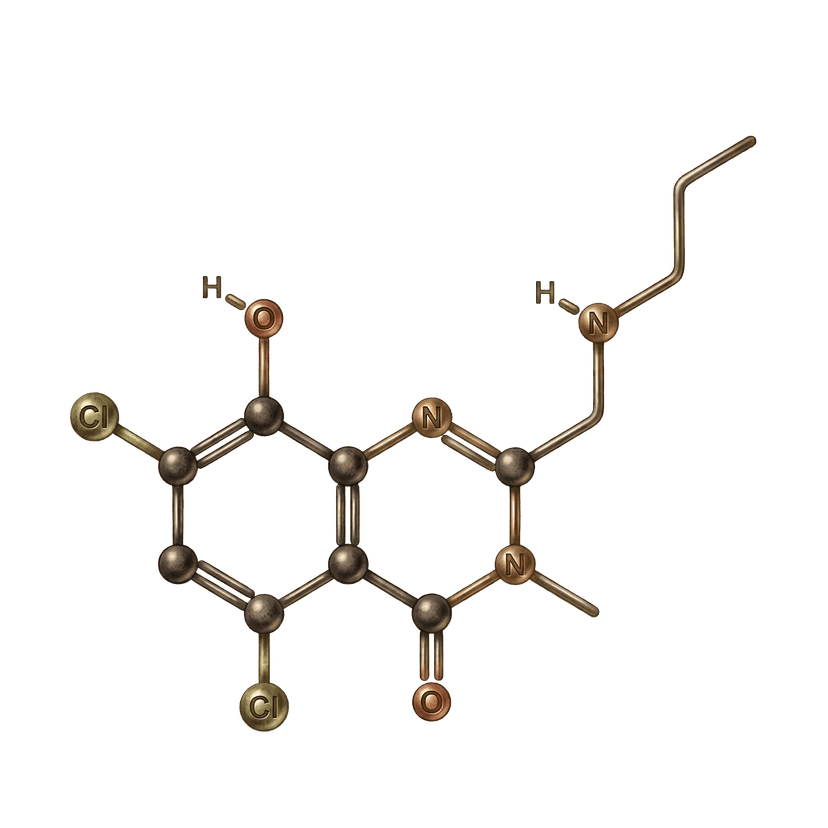
We can help redistribute iron.
The body already redistributes iron with specialized proteins: binding reversibly, shuttling across barriers, oxidizing for export, storing safely. Almost none have been trialed for neurodegeneration.
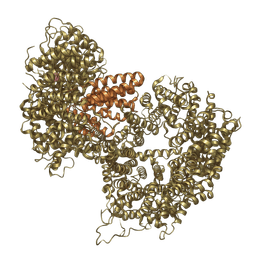
Lactoferrin
80 kDa · Reversible iron shuttle
Binds two Fe³⁺ ions at neutral pH, releasing them in lysosomes. Crosses the BBB: “a specific unidirectional transport ... via a receptor-mediated process.”[13]
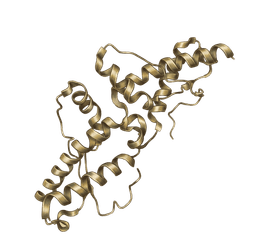
Ceruloplasmin
132 kDa · Ferroxidase
Converts Fe²⁺ to Fe³⁺ so ferroportin can export iron safely.[14] Without it, iron accumulates in brain, liver, and retina.
Transferrin
80 kDa · Iron transport
The body’s iron courier. Binds two Fe³⁺ ions and delivers them to cells via receptor-mediated endocytosis.[15] When transferrin is saturated, unbound iron catalyzes Fenton chemistry.
Ferritin nanocages
480 kDa · Iron sequestration
A 24-subunit protein shell storing up to 4,500 iron atoms. Crosses the BBB: “upon binding to TfR1, HFn is internalized via clathrin-coated pit formation.”[16]
Hepcidin
2.8 kDa · Iron flow regulator
Master switch for systemic iron. Degrades ferroportin, controlling how much iron enters circulation.[17] Astrocyte-derived hepcidin guards the blood-brain barrier.[18]
ATH434
290 Da · Iron redistribution
Moderate-affinity Fe²⁺ chaperone that “supports the redistribution of excess iron, supplementing the function of the cytoplasmic and nuclear PCBP1/2 iron chaperones.”[19]
We can help redistribute iron.
The body already redistributes iron with specialized proteins: binding reversibly, shuttling across barriers, oxidizing for export, storing safely. Almost none have been trialed for neurodegeneration.
Lactoferrin
80 kDa · Reversible iron shuttle
Binds two Fe³⁺ ions at neutral pH, releasing them in lysosomes. Crosses the BBB: “a specific unidirectional transport ... via a receptor-mediated process.”[13]
Ceruloplasmin
132 kDa · Ferroxidase
Converts Fe²⁺ to Fe³⁺ so ferroportin can export iron safely.[14] Without it, iron accumulates in brain, liver, and retina.
Transferrin
80 kDa · Iron transport
The body’s iron courier. Binds two Fe³⁺ ions and delivers them to cells via receptor-mediated endocytosis.[15] When transferrin is saturated, unbound iron catalyzes Fenton chemistry.
Ferritin nanocages
480 kDa · Iron sequestration
A 24-subunit protein shell storing up to 4,500 iron atoms. Crosses the BBB: “upon binding to TfR1, HFn is internalized via clathrin-coated pit formation.”[16]
Hepcidin
2.8 kDa · Iron flow regulator
Master switch for systemic iron. Degrades ferroportin, controlling how much iron enters circulation.[17] Astrocyte-derived hepcidin guards the blood-brain barrier.[18]
ATH434
290 Da · Iron redistribution
Moderate-affinity Fe²⁺ chaperone that “supports the redistribution of excess iron, supplementing the function of the cytoplasmic and nuclear PCBP1/2 iron chaperones.”[19]
Five are natural proteins the body already produces.
ATH434 mimics what they do in pill form and is in active Phase 2 trials, starting with MSA because it progresses faster than Alzheimer’s.[11]
Phase 3 success would open repurposing across neurodegenerative diseases.
Meanwhile: $42.5 billion went to Alzheimer’s drug development since 1995. Nearly all of it on amyloid.[20]
Meanwhile...
How much time does the leading drug buy?
The CLARITY-AD trial reported lecanemab slowed Alzheimer's decline by 27%. That number comes from CDR-SB (Clinical Dementia Rating, Sum of Boxes): a 0-to-18 scale that scores six areas of daily life, from memory to self-care, based on interviews with patients and caregivers. Higher means worse.[21]
How much time does the leading drug buy?
The CLARITY-AD trial reported lecanemab slowed Alzheimer's decline by 27%. That number comes from CDR-SB (Clinical Dementia Rating, Sum of Boxes): a 0-to-18 scale that scores six areas of daily life, from memory to self-care, based on interviews with patients and caregivers. Higher means worse.[21]
1/4 · The gap
After 18 months, treated patients scored 0.45 points better on a dementia scale that goes to 18. Both groups still declined.[21]

2.9×
dementia risk with T. gondii infection
A cat parasite causes dementia without plaques.
T. gondii infection nearly triples dementia risk in a Taiwan cohort of 800.[25] But in AD mice, the same parasite reduces amyloid plaque density.[26]
Fewer plaques should mean less disease. T. gondii does the opposite.
T. gondii activates ferroptosis in the hippocampus[27] and disrupts blood-brain barrier integrity.[28] The plaques were never the problem.
Speaking of cats, the other name we give to them is a useful acronym for six defense layers against ferroptosis.
FeIron homeostasis
Iron sequestration
Each ferritin shell stores up to 4,500 Fe(III) atoms as an inorganic complex inside a hollow protein cage.[29]
Iron export
Ferroportin exports cellular iron; hepcidin degrades it to limit release.[17] APP stabilizes it at the cell surface.[30]
Mitochondrial iron use
Intracellular iron is compartmentalized into heme, iron-sulfur clusters, and ferritin storage.[15]
Systemic regulation
Liver hepcidin degrades ferroportin to limit iron release.[17] Astrocytes produce a local version at the BBB.[18]
Free Fe²⁺ escapes containment and reacts with H₂O₂ via Fenton chemistry, generating hydroxyl radicals that attack membrane lipids.
LLysosome / antioxidant
Lipid peroxide neutralization
GPX4 neutralizes lipid peroxides using glutathione as substrate. The cystine/glutamate antiporter supplies cysteine for GSH synthesis.[31]
Microglial phagocytosis
TREM2 microglia clear myelin debris; its loss causes defective clearance and axonal pathology.[32]
Endosomal trafficking
PICALM plays a critical role in iron homeostasis.[33]
Lysosomal integrity
Homozygous GRN mutation causes neuronal ceroid lipofuscinosis, a lysosomal storage disease.[34] Permeabilization releases stored iron directly into the cytoplasm.
GPX4 depletion or GSH exhaustion leaves lipid peroxides unchecked. Lysosomal membrane permeabilization releases stored iron directly into the cytoplasm.
IImmune / inflammatory
Microglial surveillance
Microglia survey the brain for damage and clear debris via TREM2-dependent phagocytosis. Their activation state determines whether they protect or attack neighboring cells.
Complement cascade
C1q tags damaged myelin for removal. C3/C4 opsonize synapses for pruning. When dysregulated, complement attacks healthy oligodendrocytes and strips functional synapses.
Cytokine signaling
Pro-inflammatory cytokines (IL-1β, TNF-α, IFNγ) drive reactive astrogliosis, hepcidin induction, and microglial polarization. Each infection primes a lower threshold for the next.
Adaptive immunity
CD8 T cells have stage-dependent roles: early effectors suppress microglial clearance via CCL5, while exhausted/regulatory T cells can enhance it. Tregs boost microglial phagocytosis via PD-L1/PD-1.
Chronic activation: complement tags healthy myelin, microglia attack oligodendrocytes instead of protecting them. Hepcidin traps iron in cells that can’t export it. Each infection leaves residual immune priming that lowers the threshold for the next.
NNeurovascular
Pericyte coverage
Pericytes are necessary for blood-brain barrier formation.[35] Their loss is one of the earliest measurable changes in neurodegeneration.[36]
Tight junction adhesion
Integrin-mediated adhesion and cytoskeletal scaffolding maintain the physical seal between endothelial cells.
Vascular signaling
Angiotensin regulation and receptor tyrosine kinase signaling control cerebral blood flow and BBB tone.
Extracellular matrix remodeling
Metalloproteinases and heparan sulfate enzymes maintain the basement membrane around cerebral microvessels.
Pericyte loss opens the BBB. Plasma transferrin-bound iron floods the parenchyma. Astrocyte endfoot retraction impairs both iron gating and glymphatic drainage.
EExport
Cellular iron export
Ferroportin/ceruloplasmin oxidize and export iron from cells.[14] Without ceruloplasmin, ferroportin stalls and iron accumulates.
Lipid-mediated transport
ApoE is a potent inhibitor of ferroptosis. APOE4 carriers have lower apoE abundance, increasing vulnerability.[37]
Protein chaperoning
Clusterin keeps misfolded proteins soluble and mediates their disposal.[38] Neprilysin degrades small peptides including Aβ.
Receptor shedding
ADAM10 is the constitutive alpha-secretase of APP.[39]
Peripheral clearance
Complement-mediated clearance of immune complexes routes waste to liver and spleen for recycling.
Ceruloplasmin decline stalls ferroportin. AQP4 depolarization reduces glymphatic clearance. Iron accumulates at normal dietary intake because export, not intake, is the bottleneck.
SSheathing
Myelin sheath integrity
Oligodendrocytes have the highest iron concentration of any brain cell: 3.05 mM, fivefold higher than neurons.[1]
Iron buffering proteins
Tau,[40] α-synuclein,[41] and ferritin each bind or buffer iron in different compartments. Hyperphosphorylation or aggregation releases the iron they were managing.
Fatty acid peroxidation buffering
Glial ABCA1 is required for cholesterol efflux to apoE in the brain.[42] When lipid metabolism fails, toxic species accumulate and trigger oligodendrocyte lipoapoptosis.
Reactive astrocyte damage
Neurotoxic A1 astrocytes secrete a soluble toxin that kills oligodendrocytes, compounding sheathing loss from within.[6]
Demyelination exposes sequestered iron. Tau hyperphosphorylation and α-synuclein aggregation release the iron these proteins were managing, seeding new Fenton reactions.
When multiple layers fail simultaneously, iron-driven ferroptosis cascades through oligodendrocytes.
No single layer failure causes disease. Neurodegeneration begins when the holes line up.
Genetics
217 risk genes. Where do they map?
AD and PD GWAS hits, sorted by biological function. Zero canonical iron genes, but nearly every hit involves a defense layer that handles iron.
217
risk loci
~90%
map to FELINE
Lysosome / antioxidant · 82 genes
Endosomal trafficking
Vesicle sorting and recycling, including transferrin receptor endocytosis.
Innate immunity
Microglial activation and phagocytosis of iron-loaded myelin debris.
Proteolysis
Proteases that process APP, clear aggregates, or regulate iron-binding proteins.
Signaling & regulation
Calcium and kinase signaling that modulates iron-responsive pathways.
Lysosomal regulation
Lysosomal ion channels, pH control, and membrane integrity.
Autophagy & degradation
Lysosomal clearance of damaged organelles and iron-loaded proteins.
Lipid signaling
Phospholipid metabolism that influences membrane susceptibility to peroxidation.
No single layer is enough.
Neurodegeneration is a swiss-cheese failure: every defense has holes. Disease begins when the holes line up. The interventions that work protect multiple layers at once.
Lifestyle interventions that protect multiple layers
Exercise
Four layers at strong evidence. The single most effective FELINES intervention. No drug matches this breadth.
Sleep
The E-layer effect is uniquely sleep-dependent. No pharmaceutical replicates glymphatic clearance during sleep.
Vaccination
Primarily an I-layer and N-layer intervention. Over decades, cumulative protection from prevented infections preserves reserves.
Dental care
The most underappreciated FELINES intervention. Decades of dental health unconsciously protect four layers.
Treatments that target multiple layers
Blarcamesine
Sigma-1 receptor agonist. Restores autophagy, protects pericytes/BBB, supports oligodendrocytes. “Improvement compared to placebo in all clinical endpoints at 48 weeks.”[43] Oral, no ARIA.
Low-dose lithium
GSK-3β inhibition: “can reduce amyloid deposition and tau phosphorylation, regulate autophagy, inflammation, oxidative stress.”[44] Safe at microdose (5–20 mg lithium orotate).
NAD+ restoration (NR/NMN)
Hits four layers. SIRT3 decline with age impairs L-layer antioxidant defense; NAD+ also protects the BBB, promotes remyelination, and dampens neuroinflammation.
40 Hz gamma stimulation
Entrains microglial clearance. Pilot: “lesser ventricular dilation and hippocampal atrophy, increased functional connectivity in the default mode network.”[45] Non-invasive.
Melatonin
“An efficient anti-inflammatory, iron chelator, antioxidant, angiotensin II antagonist, and clock gene regulator.”[46] Restores AQP4 polarization for glymphatic clearance.
Sulforaphane
Nrf2 activator: “can directly or indirectly regulate GPX4 protein content…intracellular free iron content…thereby regulating ferroptosis process.”[47] From broccoli sprouts.
Single-target drugs fail a multi-layer disease. The framework predicts that interventions touching more layers, at lower intensity, will outperform those hitting one layer hard.
Why some brains fail faster
Why some brains fail faster
Everyone accumulates iron
Ferroportin export and glymphatic drainage both decline with age. Even without genetic risk, interstitial iron reaches the impaired-clearance zone around age 81.[48]
Impaired clearance: age ~81APOE4 accelerates the timeline
APOE4 impairs both ferroportin export and glymphatic efficiency. ISF iron rises ~25 years faster, consistent with Corder 1993 onset data.
Impaired clearance: age ~56Poor sleep compounds the damage
Glymphatic clearance depends on sleep. Chronic disruption cuts drainage ~36%, pushing impaired clearance to age ~42.
Impaired clearance: age ~42Vascular damage adds another hit
Hypertension cuts glymphatic flow another ~32%. With all three factors, clearance failure arrives around age 59.
Impaired clearance: age ~34Each risk factor alone is survivable. Together, they overwhelm your brain’s iron drainage.
Explore the full model →Neurodegenerative diseases aren’t caused by the proteins we find at the scene.
They’re caused by the failure of the defense systems that were producing them.
FELINES maps six of those systems, predicts where they break, and identifies the therapeutic gaps nobody’s filling yet.